
WHAT WE DO

  1. Home
  2. What We Do

Focus Areas

AASF focuses on transforming learning institutions and community groups by shifting mindsets and fostering sustainable development. We engage in programs designed to impact crucial areas of education, environment, and health, ensuring a holistic approach to community empowerment.

Why Environmental Protection?

Today’s students are tomorrow's guardians of the Earth. With escalating challenges such as extreme weather events, rising global temperatures, and biodiversity loss, it is crucial to equip them with the knowledge and tools to combat climate change. Through education and advocacy, we encourage collective action and innovative solutions to ensure a resilient and sustainable future.
We engage learners through green innovation labs, eco-clubs, and community projects that promote renewable energy, reforestation, and waste reduction. By linking students with mentors and policy forums, we equip them to influence climate decisions and drive systemic change.
In universities, young scholars play a critical role in advancing climate justice through tax and equity, researching fair carbon taxation, shaping equitable financing, and championing policies that protect vulnerable communities. With sustainable campus models, green finance literacy, and student-led enterprises, learners are positioned as innovators and advocates, ensuring that climate action is just, inclusive, and impactful for generations to come.

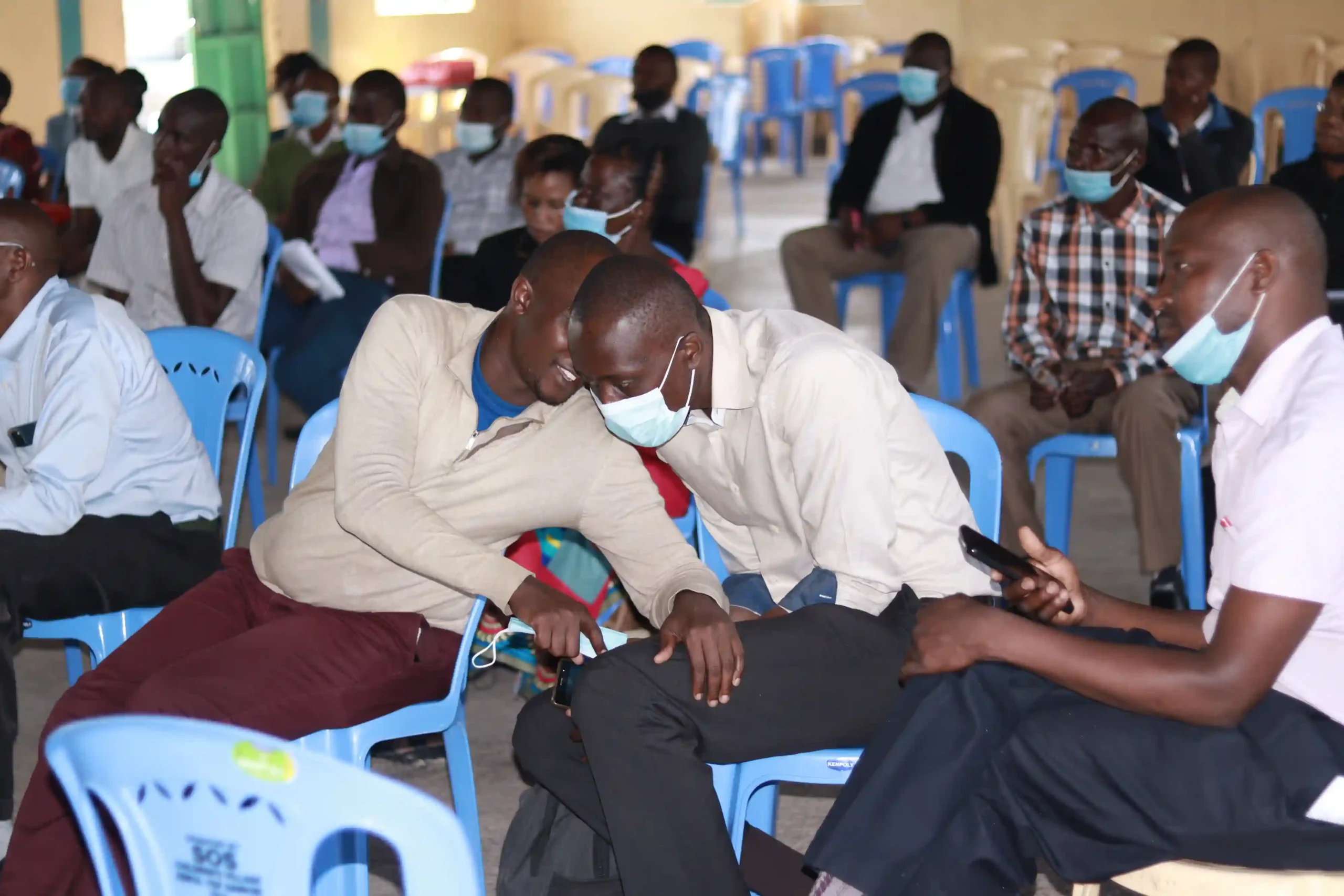
Why Educational Support for Career Readiness?Why Educational Support for Career Readiness?

In sub-Saharan Africa, many students struggle to prepare for future careers due to poor infrastructure, limited resources, and systemic inequalities. We tackle these barriers head-on by equipping schools with ICT labs, libraries, and essential learning materials, while also training teachers and publishing a practical mentors’ guide. These efforts ensure learners gain digital literacy, exposure, and structured guidance for a rapidly evolving job market.

We recognize that career readiness also depends on addressing deeper systemic and structural challenges. That is why our programs integrate gender-responsive approaches to dismantle inequalities that hold back girls and other marginalized learners. We also prioritize WASH facilities, knowing that access to clean water and safe sanitation reduces absenteeism and keeps learners, especially girls, in school.

By tailoring interventions to the realities of arid and semi-arid lands, rural communities, and informal urban settlements, we ensure that no learner is left behind. Our approach combines infrastructure improvements with inclusive practices, building career pathways that enable students to transition confidently from school into productive futures.

Why Health and Well-Being?

Health challenges remain a major barrier to education in Kenya. From early childhood to higher learning, learners face obstacles such as HIV, malaria, poor nutrition, bullying, and rising mental health concerns. For many girls, period poverty is especially disruptive, thousands miss class each month due to lack of sanitary pads, safe toilets, and stigma.

AASF responds with practical solutions: pad dispensers, reusable sanitary kits, menstrual health education, clean water and sanitation, and mental health support through counseling and peer programs. We also strengthen early childhood centers with safe spaces, nutrition, and age-appropriate resources.

In higher institutions, we support students with health screenings, SRHR education, and safe-space initiatives. By tackling health and well-being across all stages, AASF creates inclusive, safe, and learning-friendly environments where every learner can thrive.

Why AI and Technological Innovation for Schools?

In today’s digital era, schools must embrace innovation to remain relevant. Yet many face barriers, limited ICT infrastructure, high costs, inadequate teacher training, and weak internet connectivity, that leave learners unprepared for a fast-changing world.

AASF’s Technological Support for Schools programme bridges these gaps by embedding AI, IoT, and digital tools into learning spaces. Our specially designed School Management System (SMS) offers dashboards for students, teachers, caregivers, and administrators, covering academics, finance, and communication. We also establish ICT labs, train educators, and build digital capacity among learners.

These innovations deliver wide benefits i.e. teachers gain adaptive learning tools and reduced workloads; administrators’ access efficient systems and data-driven decision-making; caregivers receive transparent updates on student progress. For development partners and donors, digital platforms provide accountability, measurable impact, and scalable models for future investment

Program Components

AI and Technological Solutions for Schools

Integrate AI, IoT, and EdTech into schools through AASF’s School Management System, ICT labs, and digital hubs. Provide adaptive tools, transparent reporting, and digital literacy, empowering teachers, learners, administrators, caregivers, and donors with scalable, accountable solutions.

01

Future Force Mentorship and Career Readiness

Empower students with mentorship, career insights, and life skills while promoting positive behaviors. Bridge gaps through ICT labs, libraries, teacher training, WASH interventions, and mentors’ guides, enabling resilient learners to transition confidently into work, enterprise, or further studies.

02

Environmental Education and Advocacy

Raise awareness and build capacity in environmental conservation by training Climate Action Leaders, establishing seedling units, and leading campaigns. Engage learners and scholars through eco-clubs, green labs, advocacy, and climate justice research on carbon taxation, equity, and sustainable campuses

03

Health and Well-being Support

Promote student dignity and health by addressing barriers like menstrual hygiene, SRHR, mental health, nutrition, and safe ECDE spaces. Provide pad dispensers, disposal solutions, counseling, and screenings to create healthier, inclusive, and learning-friendly school environments.

04

Community Empowerment and Poverty Alleviation

Strengthen communities around schools through capacity building, health education, livelihood support, and social welfare initiatives. These interventions build the supportive environment learners need to stay in school and thrive.

05

Policy Advocacy

Engage in evidence-based advocacy to influence education, climate, health, and technology policy. Ensure learner voices are represented at local, national, and global platforms, advancing equity, climate justice, and digital inclusion.

06

Partnerships and Collaborations

AASF amplifies its impact through strategic partnerships with governments, donors, the private sector, academia, and grassroots organizations. We provide tailored technical assistance, capacity building, and programmatic support to drive joint projects, foster innovation, address shared vulnerabilities, and ensure long-term sustainability through collective action

07

Compaigns

CAMPAIGNS