
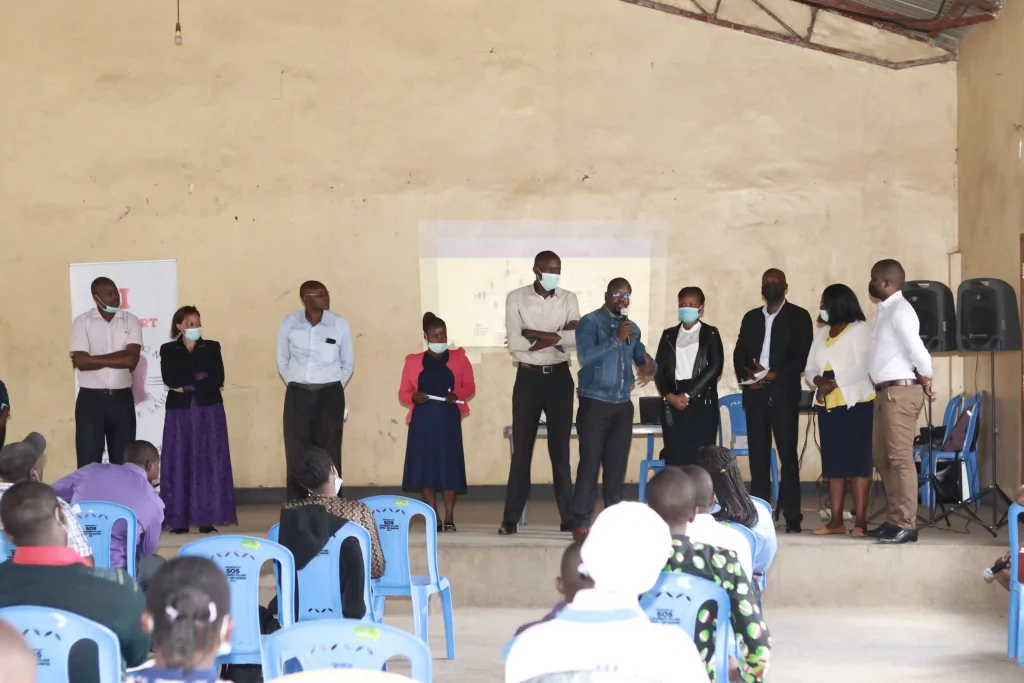
For years, Alternative Provision of Basic Education and Training (APBET) schools have played a critical role in providing education to children in informal settlements and underserved communities. Despite their impact, these schools have often struggled with licensing challenges that limited their ability to operate fully and access government support.
Recent reforms in licensing regulations, however, are turning the tide and giving APBET schools the recognition they deserve.
Opening Doors for Equal Opportunity
The new license reforms have simplified the registration process for APBET schools, removing the barriers that once hindered them. With this change, more schools can now operate legally, giving children access to a structured learning environment that meets national education standards.
This move ensures that children in marginalized areas no longer have to miss out on quality education simply because their schools were tied up in red tape.
Empowering Teachers and Students
With licensing in place, APBET schools are now eligible for closer collaboration with the Ministry of Education. Teachers benefit from training opportunities, access to resources, and improved working conditions. Students, on the other hand, gain from better facilities, structured curricula, and enhanced support systems.
This reform means that children who once faced an uncertain educational journey can now look forward to brighter, more stable futures.
Building Stronger Communities
Education is the foundation of community growth. By legitimizing and supporting APBET schools, the government is investing in stronger, more resilient communities. These reforms are not just about compliance—they are about equity, inclusion, and giving every child a fair chance to succeed.
The Way Forward
The licensing reforms are a milestone, but they also mark the beginning of a broader journey. With sustained support, partnerships, and community involvement, APBET schools can become even stronger pillars of education in Kenya’s underserved areas.
For parents, teachers, and children in informal settlements, this is more than a policy change—it is hope in action.
✨ With license reforms in place, APBET schools can now focus on what matters most: transforming lives through education